Florida Homestead Law and Why It Matters
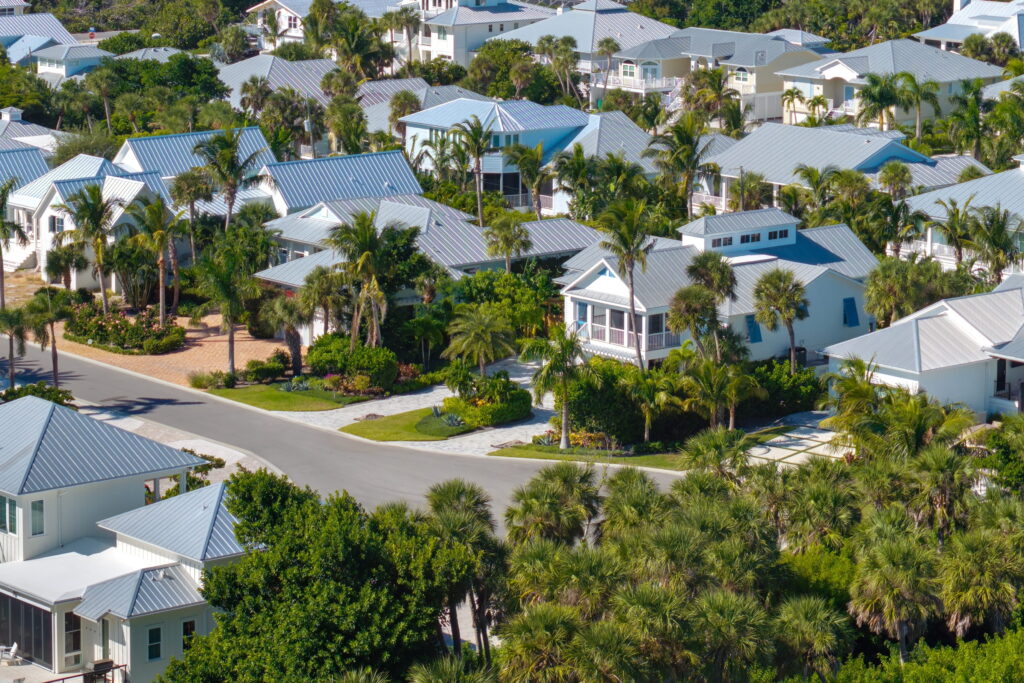
Florida homestead law is written into the state constitution and gives powerful protection to your primary residence. If you own a home in Florida, live in it as your permanent residence, and meet the legal requirements, that property can qualify as your homestead. This status is not automatic for every property you own, and it only applies to your primary residence, not vacation homes or investment properties.
Homestead status provides three main benefits. First, it can reduce your property taxes through the Florida homestead exemption. Second, it offers strong protection from many creditors. Third, it gives special protections to your spouse and family when you pass away, which can change how the home passes through your estate. Those protections can be positive, but they can also prevent you from leaving the home exactly how you might expect without careful planning.
Because of these rules, Florida homestead law is at the center of many estate planning decisions for homeowners, especially retirees, married couples, and families with children. At Clarie Law in St. Petersburg, we help clients understand whether their property qualifies as homestead and how to plan around that status so their wishes are carried out and their families are protected.
Homestead Exemption and Creditor Protection
The Florida homestead exemption for property taxes allows qualifying homeowners to reduce the taxable value of their home. That can lower your annual property tax bill and may also limit how much your assessed value can increase from year to year. For many retirees and long-term homeowners, this can make a significant difference over time.
Florida constitutional homestead protection can also shield your primary residence from most creditors. While this protection is strong, it is not unlimited. Homeowners should understand that:
- The homestead must fit within certain size limits, depending on whether it is inside or outside a municipality
- The protection does not apply to all debts, such as mortgages and property taxes on the home
- Certain liens and homeowners’ association claims may still be enforced
- Fraudulent transfers or misuse of the homestead rules can cause separate legal problems
Homestead protection can operate differently for individuals, married couples, and surviving spouses. For example, a surviving spouse may be able to keep creditor protection for the homestead even after the owner passes away, depending on how the property is titled and who inherits it.
Before adding children to the deed, transferring ownership into a business entity, or changing the title in other ways, it is important to understand how those actions can affect both tax benefits and creditor protection. An estate planning attorney in St. Petersburg, FL, can review your homestead status and explain how different choices would work in your specific situation.
How Homestead Affects Probate and Inheritance
Homestead property is treated differently from many other assets in a Florida probate. While bank accounts, vehicles, and other property are generally available to pay valid creditor claims, homestead that passes to certain family members can be considered exempt from most of those claims.
Key ideas for homestead in probate include:
- Exempt homestead property can pass to a surviving spouse and descendants with special protection
- Determining whether property is homestead and exempt is a formal court process
- The homestead is often not used to pay most unsecured creditors of the estate
- Title to the homestead may pass by operation of law, not just by a will
When there is a valid will, Florida homestead law can still limit who can receive the property. If there is no will, Florida intestacy statutes apply, and homestead property inheritance in Florida will follow default rules that focus on the surviving spouse and descendants.
There are also important timing decisions. A surviving spouse may be able to elect between a life estate in the homestead and an undivided interest with the adult children. These elections affect who controls the property, who pays expenses, and how and when the property can be sold. Missing deadlines or choosing without understanding the long-term impact can create conflict among family members.
Homestead Restrictions and Planning Tools
Florida homestead law places real limits on how a married owner or a parent of minor children can leave the homestead at death. The constitution restricts devise of homestead if the owner is married or has a minor child at the time of death. In many cases, this means a will cannot override the default rules, even if the will clearly says something else.
If the owner dies survived by a spouse and minor child, the homestead typically cannot be left entirely to someone else. The law provides default interests that may include a life estate for the surviving spouse and remainder interests for the children, or other options depending on elections that are made.
These rules become especially sensitive in blended families, second marriages, or situations where minor or adult children live in the home. Common questions include:
- How to provide a home for a second spouse while still leaving value to children from a prior relationship
- How to address adult children who contribute to household expenses or caregiving
- Whether it is fair or practical for several adult children to co-own the homestead
- How to prevent forced sales or disputes among co-owners after a death
A coordinated plan can involve deeds, beneficiary planning, and marital agreements that respect homestead restrictions while still aiming to carry out the owner’s wishes. An estate planning attorney in St. Petersburg, FL, can help couples understand what the constitution requires and what planning options are available.
Homestead also interacts with wills, trusts, and deeds in important ways. A revocable living trust can be used with Florida living trust and homestead planning, but special care is needed. In many cases, the homestead can be placed into a revocable trust without losing the homestead exemption, but the trust must be structured correctly and spousal rights must be protected. Often, a spouse must join in the deed that transfers homestead to a trust.
Simply signing a will does not guarantee control over who receives the homestead. If the homestead restrictions apply, they can override will provisions that try to give the property to someone other than a surviving spouse or minor child.
Homeowners also use different kinds of deeds in homestead planning, including enhanced life estate deeds, sometimes called Lady Bird deeds, and co-ownership arrangements. These tools can help avoid probate or set up a clear transfer at death, but there are tradeoffs. Adding children directly to the title can cause unintended gift tax issues, loss of control, exposure to the child’s creditors or divorces, and possible loss of homestead benefits.
Because homestead touches so many parts of a Florida estate plan, it is important to coordinate:
- Wills and trusts
- Deeds and how the home is titled
- Powers of attorney and who can sign homestead documents on your behalf
- Marital agreements and beneficiary designations on other assets
Common Homestead Mistakes and Florida Homeowners FAQs
Florida homeowners can often avoid problems by watching out for a few recurring mistakes. These include:
- Transferring the homestead to children or others without understanding how it may reduce or eliminate creditor protection and tax benefits
- Assuming that putting the home into a living trust automatically solves homestead issues without considering Florida constitutional homestead protection and spousal or minor child rights
- Overlooking the rights of a surviving spouse in a second marriage and relying on a will that conflicts with homestead rules
- Failing to update deeds, beneficiary designations, and previous planning after marriage, divorce, moving within Florida, or buying a new primary residence
Here are some common Florida homestead FAQs for homeowners:
Can I leave my Florida homestead to anyone I choose in my will?
Not always. If you are married or have a minor child, Florida homestead law may limit who can inherit the home, no matter what your will says.
Is my homestead always protected from creditors, and what are the main exceptions?
Homestead is protected from many unsecured creditors, but not from obligations like mortgages, property taxes, and certain liens.
Can I put my Florida homestead into a living trust, and do I lose the Florida homestead exemption if I do?
In many cases, a properly structured revocable trust can hold homestead without losing the tax exemption, but the trust language and deed must be handled with care.
What happens to my homestead if I die married with no minor children?
Your surviving spouse and possibly your adult children will have rights under Florida law, and your ability to direct the property in a will may still be limited.
Do I need an estate planning attorney in St. Petersburg, FL if I only own a house and basic savings?
For many Florida residents, the homestead is their largest asset. Because the home is so protected and so restricted by law, legal guidance can be especially valuable even when other assets are modest.
Protect Your Family’s Future With a Thoughtful Plan Today
If you are ready to put a clear, legally sound plan in place, we are here to guide you through every step. At Clarie Law, we listen closely to your goals so your documents reflect what truly matters to you and your family. Speak with an experienced estate planning attorney in St. Petersburg, FL to review your current situation, identify any gaps, and create a plan tailored to your needs. Reach out today so we can help you move forward with confidence.