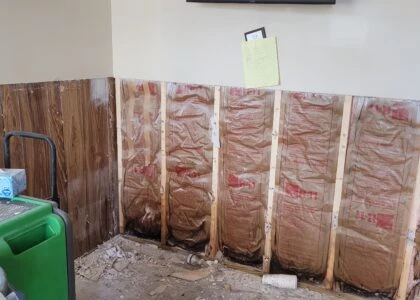

The safety of your family and pets comes first after the storm. Once everyone is secure and officials say it is safe, you can begin assessing damage and planning recovery. These five steps can help you organize the work ahead. Take the process one task at a time, and ask for qualified help when you need it.
1. Assess Damage After the Storm
Begin by understanding what damage your home or business has sustained. Some damage is easy to see, while other problems may be hidden. Do not enter unsafe areas to investigate. Instead, consider a qualified professional who can assess structural concerns and explain whether an area is safe to use.
2. Document What You Can Safely See
Your first reaction may be to repair the damage immediately. However, photographs and videos can help document the condition of the property for an insurance claim. Use your smartphone from a safe location. Capture both wider views and details when possible. Keep records of emergency work, and do not delay necessary safety measures just to take pictures.
3. Gather Your Policy Information
Locate your insurance policies and the contact details for your insurer or agent. You may have homeowners insurance, flood insurance, or other coverage through different providers. Gather each relevant policy so you can ask the right questions. Also keep your policy numbers and current contact information available when you report the damage.
4. Report the Claim and Keep Records
Contact your insurer promptly and follow its instructions for reporting a claim. Ask what documents it needs and how to submit them. During the process, record the names of representatives you speak with and the dates of your conversations. Add a short summary of each discussion, including any next steps or requested information.
5. Pause and Care for Yourself
Recovery involves more than restoring the physical environment. Make room for rest, food, water, and contact with people who can support you. A short pause can help you return to practical tasks with a clearer sense of what comes next. If you find slow breathing comfortable, take a quiet moment without forcing a particular count. Ask for support when stress feels difficult to manage.
Organizing Insurance Records After the Storm
Create one folder for the claim, either on paper or in a secure digital location. Include photos, policy documents, receipts, estimates, and copies of messages. Label files with dates and simple descriptions. This makes it easier to respond when an insurer asks about a particular room, repair, or expense.
In addition, keep receipts for reasonable emergency measures and photograph repairs when safe. Ask your insurer about the policy’s requirements before arranging major work. The Florida Department of Financial Services hurricane recovery resources explain useful documentation and consumer considerations. Your own policy and circumstances will determine how a particular claim proceeds.
Protecting Documents and Planning Your Next Steps
Read repair proposals carefully before signing, and ask for an explanation of unfamiliar terms. Keep a copy of every agreement. Also verify whom you are dealing with and which work the proposal covers. A clear record helps you compare the written scope with the work and communications that follow.
Once immediate recovery tasks are manageable, check your important personal records. Locate your will, trust, deeds, and other estate planning documents. If originals were damaged or lost, ask your attorney about appropriate next steps. Do not assume that a photograph of a document serves every purpose of the original.
Finally, make a brief list of legal questions that remain after the storm. Include any changes to your address, property, or family responsibilities. Contact Clarie Law to discuss your concerns and identify which matters need attention first.